







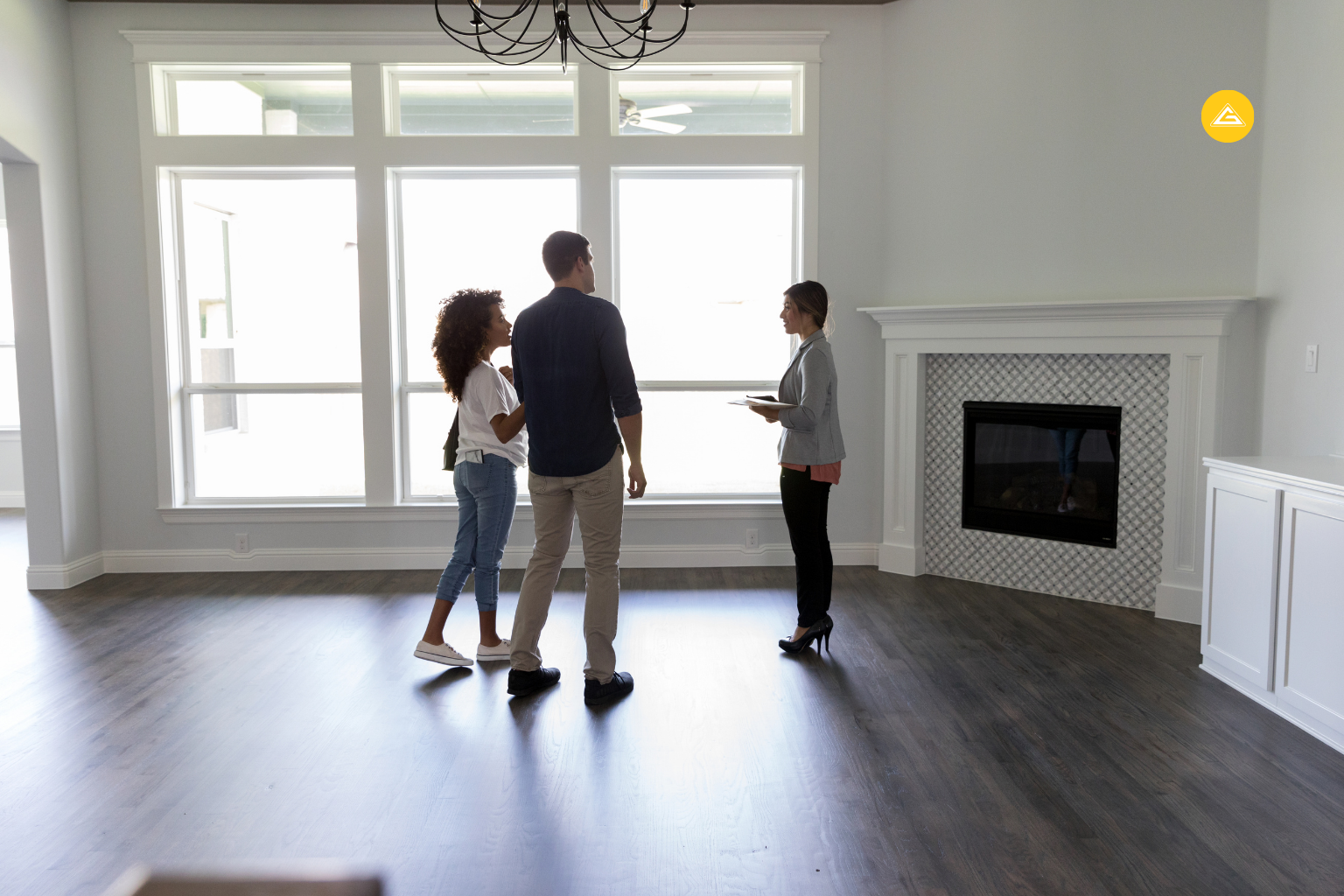
Buying a property is not a simple transaction . It is a life decision, a capital investment, a psychological gamble and – very often – a trap for those who only see square footage, price and “nice kitchen”.
Experienced investors and serious buyers do not "look" at a property.
They read it.
Like you read a person, a market, a risk.
In this article I will show you how a real person thinks. estate expert , which signs are worth paying attention to, which are misleading and how to make the right decision without expensive mistakes . Not theory. Practical filters and buyer psychology.
- The first filter is not technical – it is psychological
Before we even talk about concrete , frames, and square footage, there is a crucial question:
Why do you want this property?
Bad purchases start when:
- you buy with fear of losing it
- you buy because "it's a deal"
- You buy because you fell in love with it.
The experienced buyer doesn't fall in love with properties .
He evaluates them.
If you feel pressure, rush, or overexcitement , stop .
Your psychology at that moment is not an ally.
- Learn to distinguish "beautiful" from "quality"
Renovation can hide weaknesses.
Design can be disorienting .
Signs that are often misleading:
- new kitchen without electrical upgrades
- modern bathrooms with old plumbing
- painted walls that hide moisture
Always ask:
- When was the last structural intervention?
- What has changed behind the walls ?
Golden Home sees the skeleton first, then the image.
And that's what you should do too.
- Read the property within the building – not just the building itself
An apartment does not exist alone .
It belongs to an apartment building, to a whole, to a social environment.
Red flags:
- abandoned public spaces
- old elevator without maintenance
- bad input image
Even if the apartment is excellent, the building will affect its value in the future .
A good property in a bad building is not a good investment .
- Light and orientation are not a "detail"
Natural lighting:
- affects quality of life
- affects energy consumption
- affects the resale value
Ask:
- What time does the light come on?
- Is it bright?
- What's across the street? (today and tomorrow)
A bright property that is not "perfect" is often worth more than a dark "new" one.
- Learn to listen to the neighborhood
Beginners look at maps.
Professionals walk the neighborhood .
Do the following:
- go in the morning
- go in the afternoon
- go at night
See:
- noise
- move
- parking
- sense of security
Area is half the reason a property goes up or stays down.
- Don't buy square footage – buy functionality
Two properties of the same surface area do not have the same value .
See:
- if the spaces "work"
- if there is a pointless corridor
- if the bedrooms are real size
A smartly designed 80sqm can be worth more than a poorly designed 100sqm.
- Price alone doesn't mean anything
The most dangerous mistake:
"It's cheap, so it's worth it"
The correct question is:
Cheap compared to WHAT?
Compare:
- prices of real estate
- situation
- floor
- light
- area perspective
A "cheap" property without prospects is an expensive mistake.
- View the property as a third party – not as a future tenant
Ask yourself:
- Would someone else buy it easily?
- Would it be rented quickly?
- Would I want it if it was n't me?
The right decisions are made when you distance yourself.
- Papers always tell the truth (if you read them)
No matter what they tell you:
- the title deed
- the recommendation
- the squares
- land uses
It's not formality. It's security.
Many "good" properties lose value due to legal issues.
- The most important sign: the feeling after the analysis
Not the first impression.
The feeling after you've weighed everything .
When a property:
- stands logically
- is financially stable
- stands practically
then it's worth it.
Why proper reading makes a difference
In Golden Home , every property goes through multiple filters : technical, financial, investment, human. Because buying shouldn't be a gamble – it should be a conscious decision .
Anyone who learns to "read" real estate:
- avoids mistakes
- saves time
- builds value
And that's the real advantage.