







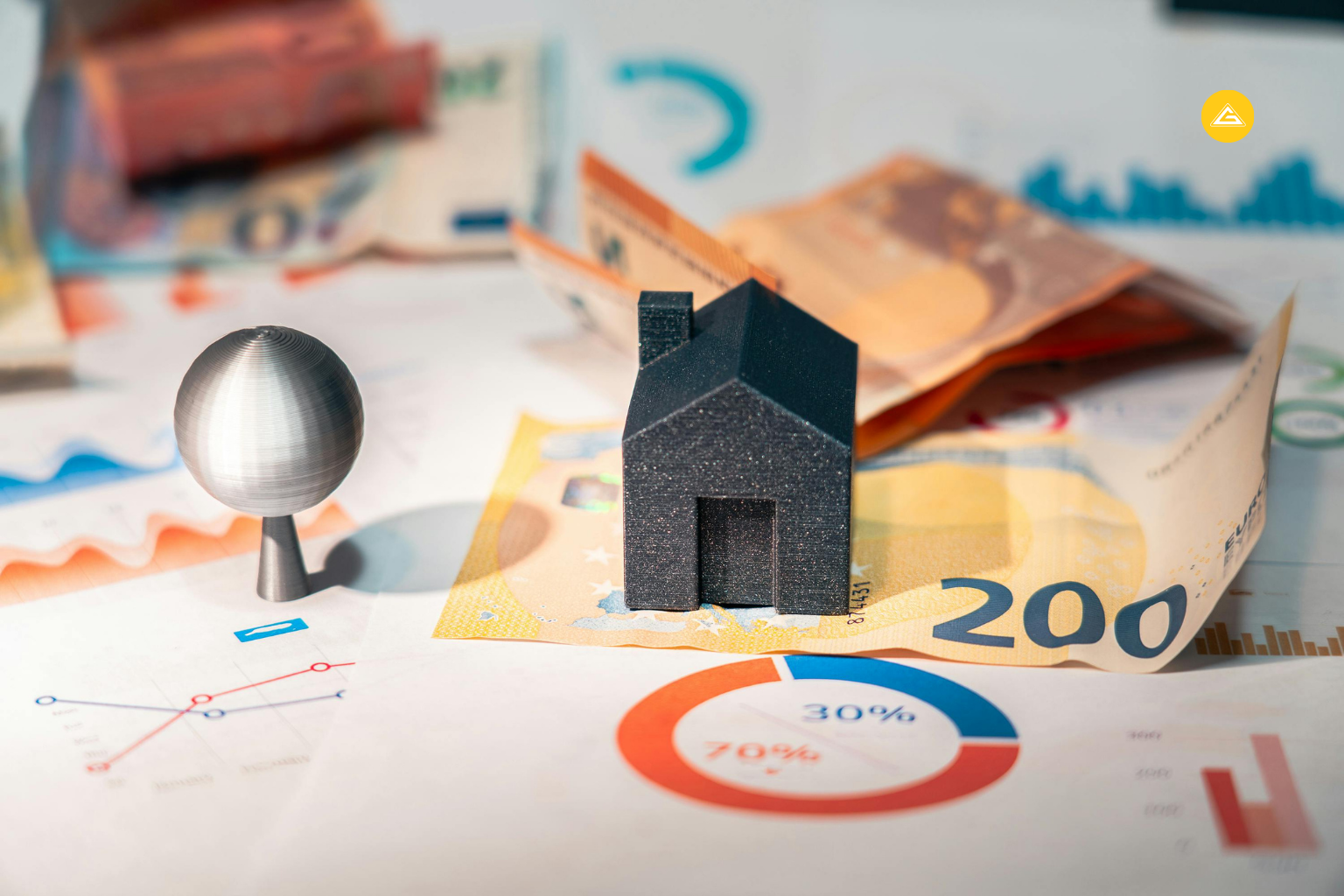
In real life estate , many purchases are dubbed “investments.”
In practice, however, few are true investments .
Most are simply expensive choices that feel good at the time of purchase — and weigh heavily later.
The difference is not a detail.
It is a decision mindset .
This article is a decision article.
So that you can clearly distinguish:
- When do you create value?
- and when do you just pay the cost with nice packaging
- Investing is about performance — not a sense of security
The biggest confusion starts here.
Many say:
"It's an investment because it's real estate."
No.
Investing means putting your capital to work.
Not just "sitting" on something stable.
Ask clearly:
- What does this property offer me?
- When;
- At what risk?
If there is no straightforward answer,
we are not talking about an investment — we are talking about a choice.
- Real investment stands without optimism
An accurate choice requires:
- market growth
- perfect conditions
- constant optimism
A real investment:
- it works even in the average scenario
- withstands deceleration
- not based on promises
If a property only "sells" if everything goes well,
it's not an investment. It's a gamble.
- Performance is not just the rent — it’s the whole thing
Many only see:
- What will I receive?
Serious people see:
- What do I have left?
- What's bothering me?
- What risk am I taking?
Real return =
revenue – expenses – time – energy – risk
Property that:
- requires ongoing management
- has unforeseen costs
- keeps you constantly alert
It may work on paper
but be detrimental in life .
- Investment has an exit — the expensive choice does not
Critical question:
"How easily do I get out of this?"
A real investment:
- has liquidity
- has buyers
- changes hands
An accurate choice:
- is addressed to a few
- needs "the right person"
- keeps you trapped
If you don't have a net exit, you don't have an investment. You have a commitment.
- Price does not determine whether something is an investment
An expensive property is not automatically a bad investment .
And a cheap one is not automatically a good one .
The difference is:
- What are you buying in relation to the market?
- What dynamics does it have?
- How many people are involved?
There are:
- expensive properties with low yields
- "quiet" properties with stable value
Investment is the value-to-cost ratio , not the number.
- Investment increases choices — accurate selection reduces them
One of the cleanest filters.
The real investment:
- gives you flexibility
- leaves you with scenarios
- doesn't it scare you?
The exact choice:
- It binds you financially.
- demands that everything go well
- makes you avoid changes
If a property restricts your movements, it is not an investment.
- The mental load is an invisible cost
Nobody puts it in excel .
But everyone pays for it.
Properties that are simply expensive options:
- they require constant thought
- create stress
- they require constant attention
The real investments:
- They "run" without you thinking about them
- They are not chasing you.
- they do not become a burden
Whatever eats your brain also eats your performance.
- Investing lasts over time — not just momentum
Momentum passes.
Time remains.
Ask:
- Will this property still be in demand after 10 years?
- Does it depend on a trend ?
- is it based on circumstance?
The real investments:
- they don't need hype
- they are not dependent on fashion
- they operate continuously
- If you need to convince yourself, it's not an investment
A very human criterion.
If you catch yourself saying:
- "It will be seen in the long run"
- "someday it will be appreciated"
- "everyone does that"
then something is wrong.
The real investment:
- simply explained
- stands logically
- no need for a story
Investing doesn't require faith. It requires numbers and clear thinking.
- The difference is visible when the excitement is gone
When it passes:
- the signature
- the excitement
- the confirmation of others
then it remains:
- the cash flow
- the management
- the everyday feeling
If then:
- Do you feel calm?
- you have choices
- It doesn't bother you.
then yes — you made an investment.
When the real estate is treated as a decision and not as an emotion
In Golden Home , the question is not:
"Can we sell it as an investment?"
But:
"Does it create real value or is it just expensive?"
Why:
- not all properties are investments
- not all purchases need to be made
- and “no” is often the smartest decision
Investing is what works for you, not what impresses.
A real investment:
- yields
- withstands
- leaves you space
An accurate choice:
- looks nice
- it costs a lot
- constantly asks for something from you
Distinguishing between value and cost is not an economic luxury.
It is a maturity of decision .
And in real life estate ,
this maturity makes all the difference.