







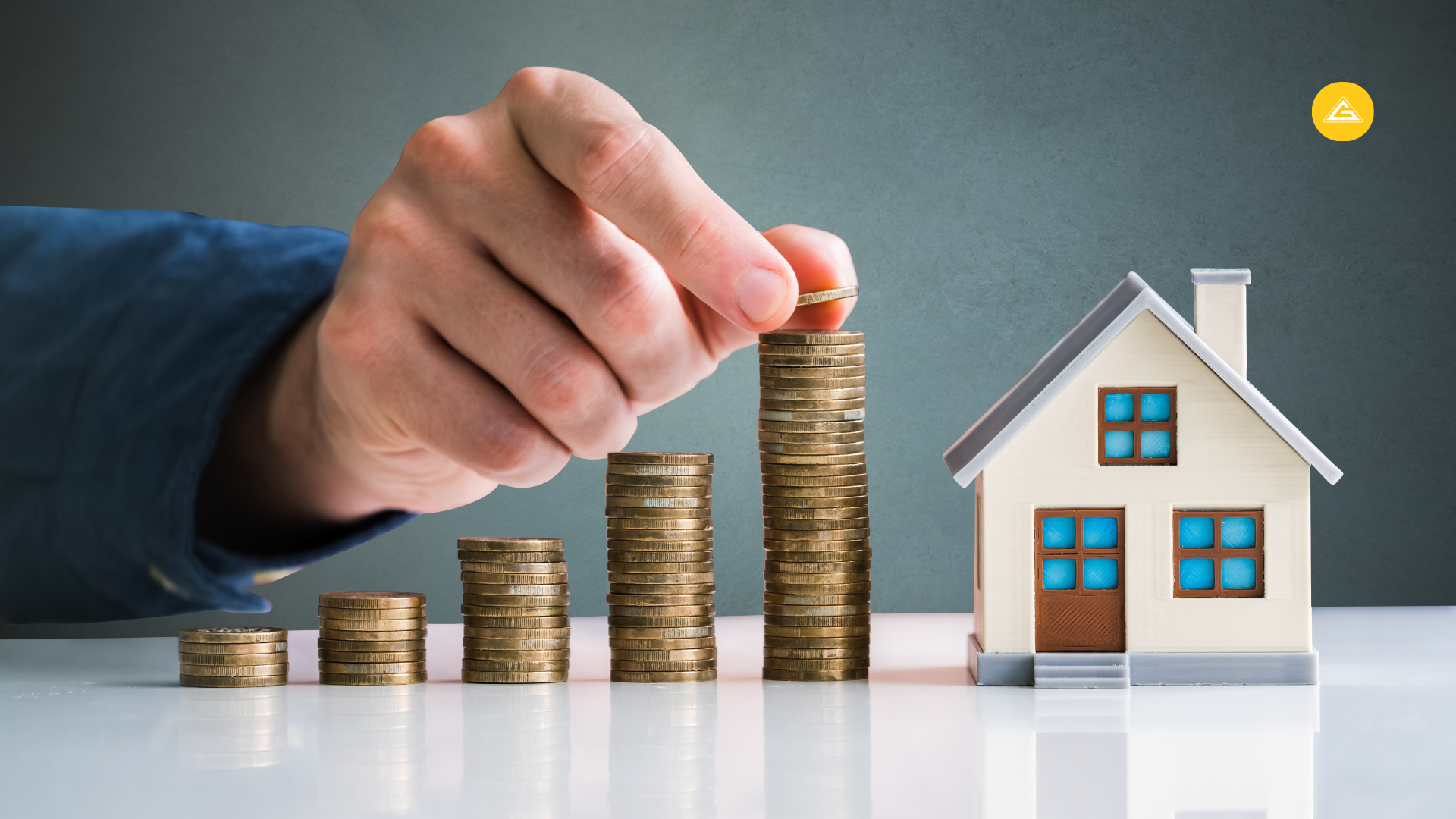
In 2026, the phrase "passive income from real estate" is heard everywhere.
In articles, in discussions, in investment podcasts , in coffees between friends.
For many, it means:
"I have a property and the money comes in on its own."
For others, it's just a myth that:
- requires huge capital
- it is risky
- or it doesn't work in practice
The truth lies somewhere in the middle — and it's much more interesting.
What is NOT passive income from real estate?
Let's start by dispelling the myths.
It's not "I buy and that's it"
No property performs on its own without:
- decisions
- management
- and adaptation
The real The 2026 estate does not forgive inaction .
It is not without risk.
Like any investment:
- influenced by market
- by timing
- from options
The property is not risk- free .
It is a manageable risk .
It's not the same for everyone.
Two people with the same property can have:
- completely different result
- different income
- different stress
Passive income is not a property property .
It is the result of a strategy.
What Passive Income Really IS in 2026
Passive income from real estate in 2026 means something very specific:
Income that is generated systematically, with minimal personal involvement, thanks to proper structure and management.
It doesn't mean "no work at all."
It means doing the right thing at the beginning .
The critical point: active vs passive model
In real life estate there are two roads:
Active owner
- deals with it daily
- solves problems
- manages people
- is wasting time
Income comes, but it costs energy .
Strategic owner
- makes decisions
- sets the framework
- assigns
- checks results
The income becomes truly passive .
The difference is not the money.
It's the way of thinking .
When does real estate NOT offer passive income?
There are cases where the property:
- takes time
- creates stress
- and it does not perform accordingly
This happens when:
- there is no clear strategy
- the usage is wrong for the time
- pricing is unrelated to the market
- or the management is careless
Then the property becomes a second job , not an investment.
What determines whether a property can become a passive asset?
Right choice from the start
Not all properties are suitable for passive income.
The choice must take into account:
- location
- demand
- flexibility of use
- future value
Buying “whatever you find” does not lead to passivity .
Clarity of purpose
Other:
- income
and other: - surplus value
When these are confused, the result fails.
In 2026, real estate must have a clear role .
Professional management
Passive income doesn't come without a system .
Where available:
- automation
- procedures
- professionalism
there personal involvement is reduced.
Why passive income requires maturity in 2026
The market has advanced.
The demands have increased. Users are more demanding.
The passive income of 2026:
- it is not based on “tricks”
- it doesn't come by chance
- it doesn't work without a plan
It works when:
- the property is treated as an asset
- the owner thinks like an investor
- and the management is professional
Golden 's role Home in creating passive income
Golden Home sees passive income realistically , not communicatively.
The approach is based on:
- property dynamics analysis
- choosing the right strategy
- guidance without promises
- and structured solutions
The goal is not to “appear” passive.
The goal is to function .
When does passive income become real freedom?
Not when:
- the money just comes in
But when:
- time is freed up
- stress decreases
- and decisions are made consciously
Then the property ceases to be a burden.
It becomes a means of livelihood .
Passive income is not a myth – it is a choice
In 2026:
- Real estate can provide passive income
- but not automatically
- not for everyone
Those who continue to believe in his myth:
"I buy and it's over"
they will be disappointed.
But those who:
- plan correctly
- move strategically
- and choose career guidance
They will see the property working for them , not the other way around.
Passive income is not given.
It is built.