







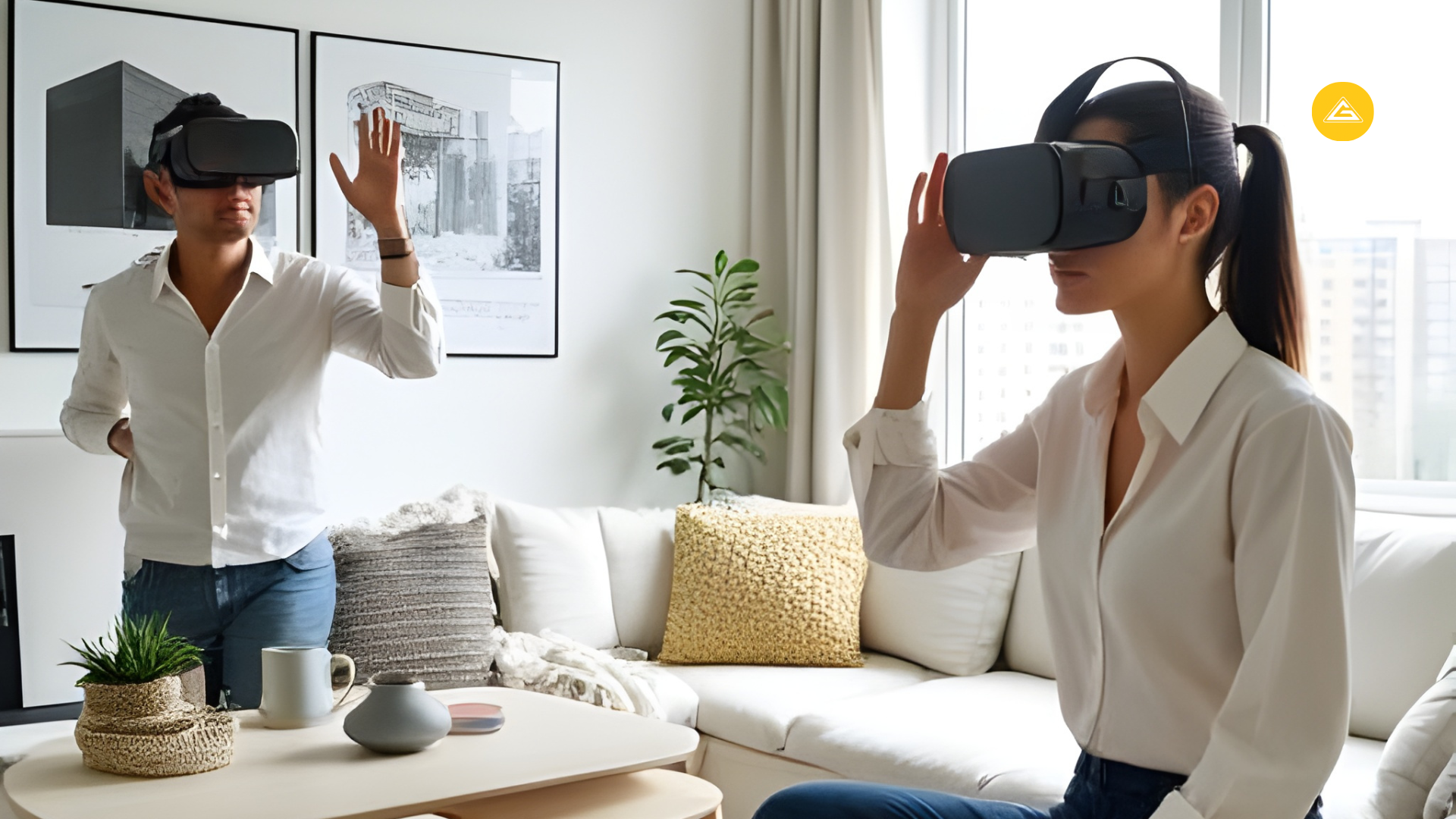
Each generation brings with it different values, priorities and ways of thinking.
And when the way they live, work and dream changes, the way they buy real estate inevitably changes too .
Millennials and Gen Z aren’t just “younger shoppers.”
They ’re radically different shoppers .
The logic:
"I'm taking home like my parents"
it doesn't express them.
And that changes the entire market.
The old home buying model
For decades, the decision to purchase a property was based on a fixed pattern:
- permanent job
- long-term stay in a city
- purchase for “a lifetime”
- emphasis on property as security
The house was:
- stable
- immobile
- and completely connected to the future of the family
This model has not disappeared , but it is no longer dominant .
How the new generation of buyers thinks
Millennials and Gen Z grew up in a world:
- faster changes
- uncertainty
- digital reality
- and continuous development
This made them:
- more flexible
- less tied to "forever"
- more careful with commitments
They don't reject ownership. They
just see it differently .
From ownership to choice
The new generation doesn't ask first:
"Will I keep it forever?"
Ask:
- Does it suit me now?
- Can I change it if my life changes?
- Does it serve me as a tool, not a burden?
The property becomes:
- life choice
- no commitment no exit
Flexibility has replaced permanence as a value.
What are new buyers really looking for?
Functionality before size
They are not impressed by pointless square footage.
They are interested in:
- how the space is used
- if it adapts
- if it "works" in everyday life
A small, well-designed property can be considered superior to a large but rigid one.
Quality of life, not show-off
The new generation:
- he doesn't buy to show off
- buys to live
He wants:
- light
- quiet
- sense of space
- balance
Luxury is no longer defined by excess, but by comfort .
Connection to work and everyday life
Work is no longer firmly tied to a space.
This changes the needs:
- home workspace
- good connectivity
- easy transportation
The property must support a flexible lifestyle .
Exit perspective
Unlike previous generations, new buyers:
- they are thinking about the exit from the beginning
- assess liquidity
- and they don't get emotionally trapped
They don't buy "forever."
They buy as much as it suits them .
Why the relationship with property is changing
The new generation:
- has seen crises
- has seen changes
- has seen data being overturned
This created a more mature relationship with ownership:
- less self-deception
- more strategy
- greater awareness
The house is no longer a trophy.
It is a tool for life .
What does this mean for the real estate market?
The market cannot continue to:
- sells on past terms
- only talks about squares
- ignores the lifestyle
As many properties:
- they do not adapt
- they don't "speak" to the new generation
- and they do not offer flexibility
will become increasingly difficult.
How does Golden respond? Home to the new generation of buyers
Golden Home understands that:
- new buyers don't want pressure
- they want guidance
- and value transparency
The approach is not based on:
- in "get it now"
- but in "think right"
Why the modern buyer:
- does not buy impulsively
- buys when he feels confident
The end of the old model is not a loss – it is an evolution
Generational change does not mean that:
- property loses value
- or that the real estate is receding
It means that:
- ripens
- adapts
- and becomes more human
The market that understands the new generation
is the market that will dominate .
Home is no longer “forever” – it is “for now”
And that doesn't make it any less important.
It makes it more honest .
Millennials and Gen Z aren't rejecting home.
They 're just refusing to be trapped in old certainties.
As many properties:
- they speak their language
- respect their way of life
- and offer flexibility
will be those that:
- will be selected
- will retain value
- and they will stand the test of time
The real Estate doesn't change because people change.
But it must change because people have changed.