







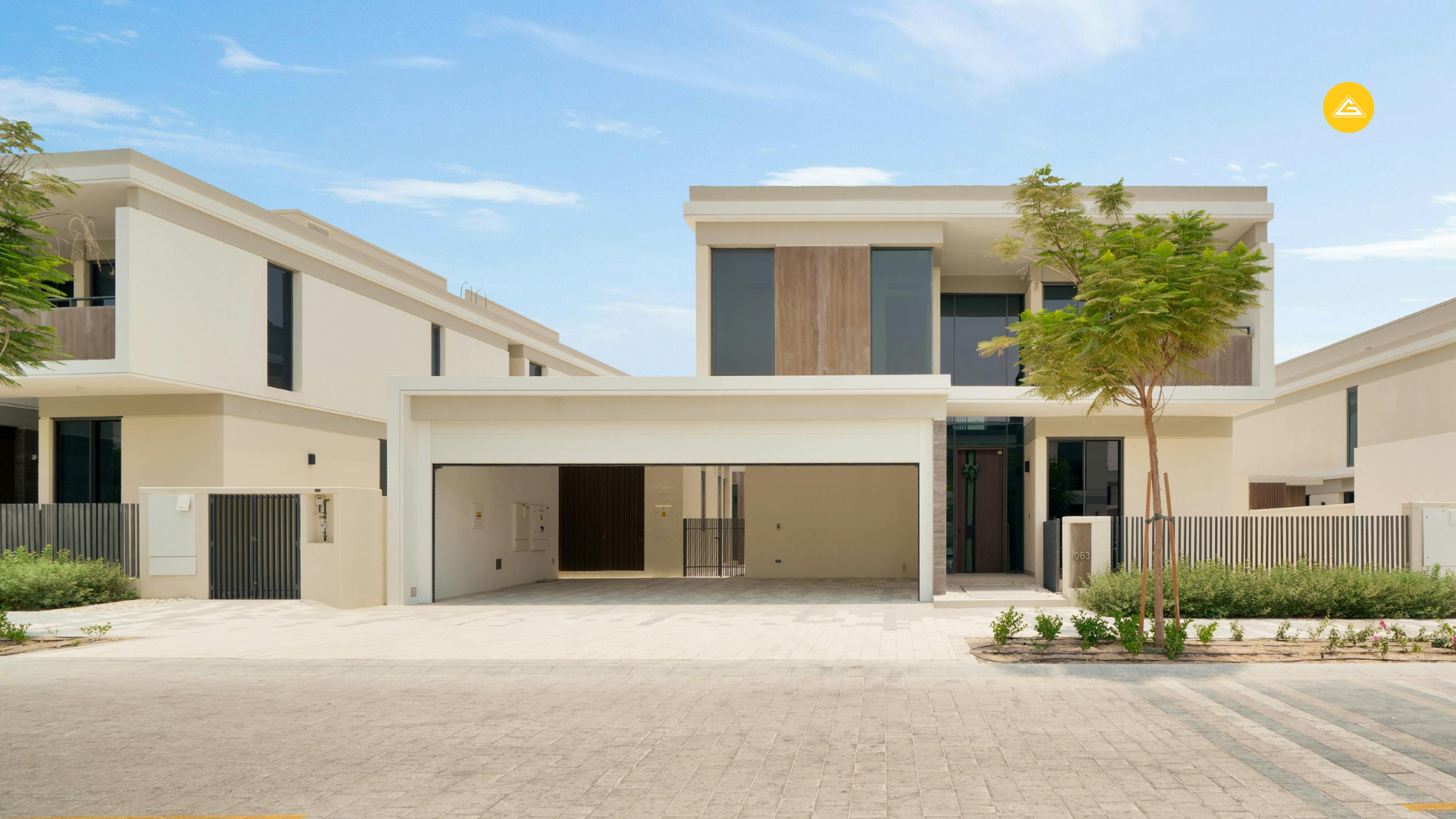
The end of mediocrity in the real estate market
For many years, a property was considered "good" if:
- was in an acceptable range
- had correct squares
- was in good condition
- and had a "reasonable" price
In 2026, this logic is no longer enough .
The real estate market has entered a new stage, where:
- "Just good" properties don't stand out
- the buyer has choices
- and the purchase decision is not based only on logic, but on experience
The question is no longer:
"Is the property good?"
But:
"Why should I choose this one and not the next one?"
The buyer of 2026 is like no other
The modern buyer has changed radically.
It has more information than ever before.
He knows prices, areas, trends.
He has compared dozens of options before even seeing the property.
He is less emotional – but more demanding
It doesn't get "tied up" easily.
It seeks logic, quality, and perspective.
He thinks about his life inside the property.
It's not just buying space.
It's buying a lifestyle .
From square footage to experience
The biggest mistake that many owners continue to make is that they believe that:
- more square meters
- best price
- or “good construction”
are enough to convince.
In fact, the 2026 buyer evaluates:
- how will he live in the property
- how will he move daily
- how will it work
- how will he rest
- and how his life will evolve in the coming years
The property ceases to be an object.
It becomes an everyday experience .
What NO longer impresses the buyer?
There are elements that were once considered an advantage and today are just… taken for granted.
- "Good neighborhood" (without clear definition)
- "Bright"
- "Well maintained"
- "Close to transportation"
These don't differentiate .
They just put you in the game.
What the 2026 buyer really wants
Functionality, not showiness
The buyer wants:
- smart layout
- spaces that "work"
- flexibility for life changes
A home that adapts — not restricts.
Quality of life, not just housing
Evaluates:
- noise
- lighting
- sense of space
- everyday comfort
Even small details make a difference.
Energy consciousness and low cost of use
In 2026, no one wants a property that:
- it is expensive to use
- it is energetically outdated
- or requires immediate investment
Energy efficiency is not a trend .
It is a requirement.
Technology that makes life easier
The buyer is not looking for a “smart home” to impress.
He is looking for:
- comfort
- automation
- practicality
Technology should work quietly, not be shown off.
Value perspective, not just today's price
The buyer thinks:
- Will I be able to sell it easily?
- Will it retain its value?
- Will the area be upgraded?
He buys with an eye on tomorrow .
Why "good properties" are left behind
In 2026, the market doesn't punish bad real estate.
It ignores it.
The "good but indifferent" properties:
- they stay on the market longer
- are being pressured into price
- they are losing momentum
- and ultimately sold below expectations
Mediocrity is not rejected.
It is forgotten.
The role of proper guidance
The difference between a property that:
- stands out
from one who - it just exists
It's not always big on cost.
It's big on strategy .
The right guidance:
- highlights the strengths
- improves presentation
- puts the property back on the market
- and speaks the buyer's language
Golden 's philosophy Home facing the buyer of 2026
Golden Home does not treat the market in terms of the past.
Understands that:
- the buyer is more mature
- the requirements are higher
- and the purchase decision is multifactorial
That's why:
- doesn't just promote real estate
- but it highlights value
- does not "sell" features
- but it tells the story of life inside the property
In 2026 we don't just buy "good houses"
We buy:
- right choices
- sustainable solutions
- properties with prospects
"Good real estate" was enough for yesterday.
For today and tomorrow, it is not enough .
In 2026, they earn:
- all the properties that stand out
- those owners who adapt
- and those who work with people who really understand the market
The real Estate is no longer a matter of luck.
It is a matter of perception .