






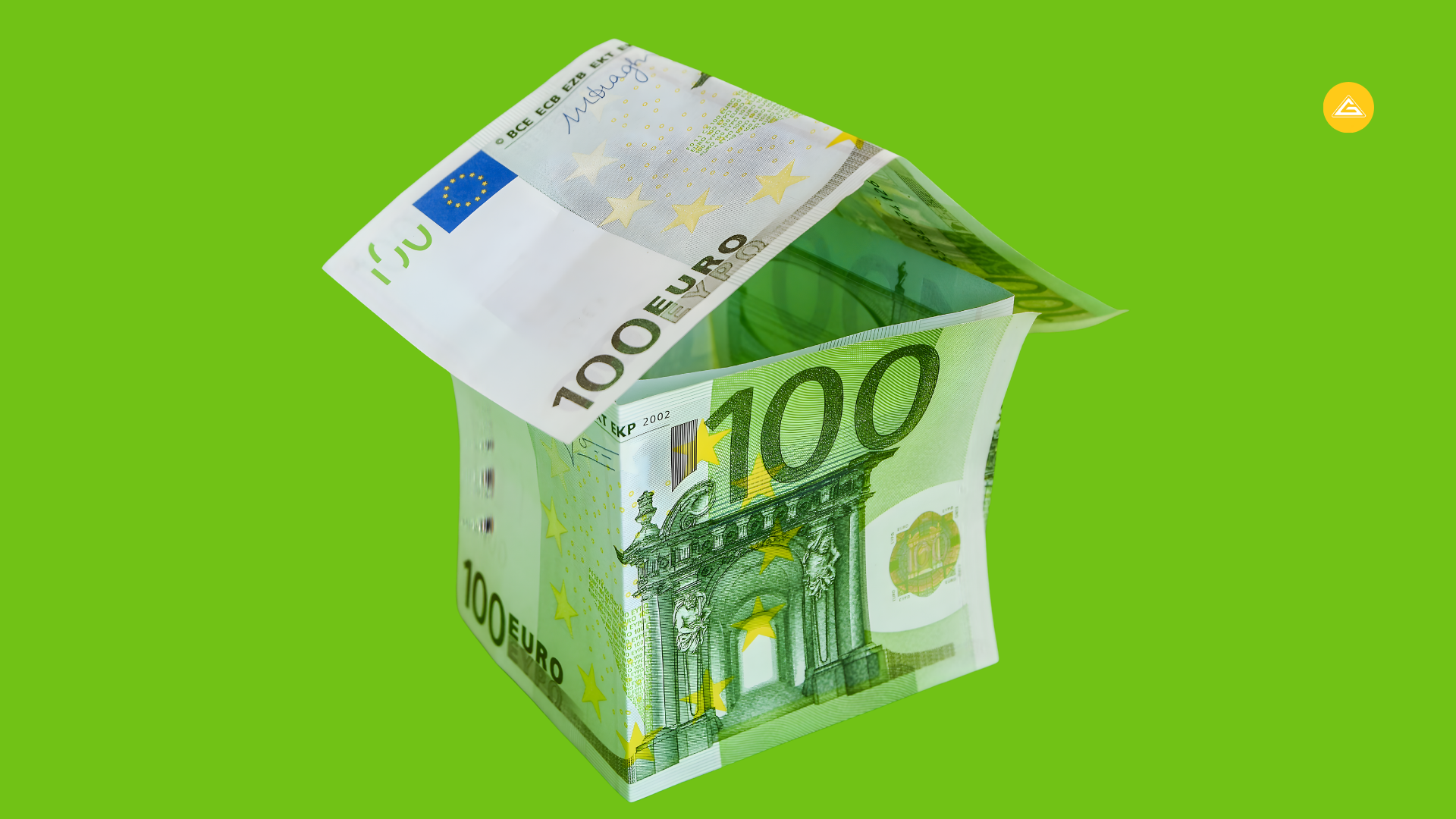
The problem isn't the property — it's the decision (or lack thereof)
In 2026, the real estate market doesn't punish those who own "bad" properties.
It punishes those who do nothing .
Thousands of owners across Greece own properties with value, potential, and promise — and yet, they lose money every year .
Not because they did anything wrong, but because they didn't understand when they needed to change their mindset .
The biggest mistake of 2026 is not the wrong move.
It's the inaction .
What is the most costly mistake?
The mistake that 8 out of 10 owners make is one:
They treat their property like it's 2010, while the market is in 2026.
This translates to:
- wrong pricing
- misuse
- wrong timing
- wrong expectations
And ultimately, in lost value that does not return .
How tens of thousands of euros are "lost" without you realizing it
Loss doesn't come with one big mistake.
It comes silently , through small, everyday choices.
Overpriced expectation
"That's what it's worth in my mind" doesn't mean "that's what the market pays."
As long as a property:
- remains unsold
- or unutilized
- or out of market rate
It loses momentum , not just value.
Wrong usage for the season
Many properties of 2026:
- they should have changed use
- or be used differently
- or have been adapted to demand
And yet, they remain "stuck" in old scenarios.
Indifference to experience
The owner sees square footage.
The market sees:
- functionality
- quality of life
- daily experience
When these are ignored, the property is degraded in the eyes of the buyer .
Why is this mistake so common?
Because it is based on three human tendencies:
Emotional connection
The property is “ours.”
It has memories, effort, history.
The market, however, is not impressed .
Fear of change
"What if I sell it and it goes up?"
"What if I change the use and it doesn't go well?"
In 2026, the biggest risk isn't change.
It's stagnation .
Lack of guidance
Most owners:
- they don't have a strategic advisor
- they don't see the market as a whole
- they operate alone
And the real The 2026 estate does not forgive the lonely path .
Property as a cost vs property as a tool
In 2026 there are two categories of owners:
Those who have real estate-cost
- taxation
- maintenance
- stress
- stagnation
And those who have real estate as a tool
- strategy
- control
- performance
- perspective
The difference is not the property .
It's the decision.
When does a property start to “lose money”?
Not when the price drops.
But when:
- does not adapt to the market
- does not properly communicate its value
- does not evolve
- not being reassessed strategically
Then, every month that passes is wasted .
2026 requires active owners
His era:
"I have it and we'll see"
It's over.
2026 requires:
- decisions
- adjustment
- and guidance
No rush.
Strategy.
How to avoid the mistake that many people make
With objective assessment
Not what we “believe.”
What the market is showing today .
With a clear plan of use
Residence;
Investment; Flexibility;
Everything is right — as long as it is conscious .
With the right timing
The when is just as important as the how.
In real estate , timing does half the work.
With a strategic ally
In 2026 you don't need someone to "show" you the property.
You need someone to tell you what to do with it .
Golden 's role Home to avoid this mistake
Golden Home does not treat the owner as a customer of a transaction.
It treats him as the owner of an asset .
This means:
- data analysis
- understanding goals
- honest guidance
- and decisions with a time horizon
The goal is not to “close a deal.”
The goal is to not lose value .
The biggest mistake of 2026 is not taking a stand
In 2026:
- the property is not waiting
- the market is unforgiving
- and the value does not remain stagnant
Those owners who continue to operate with old logic
will see their value quietly leak away .
But those who:
- understand in time
- think strategically
- and move with guidance
They will be the ones who will protect and increase their wealth .
The real The 2026
estate doesn't need luck. It needs awareness .