






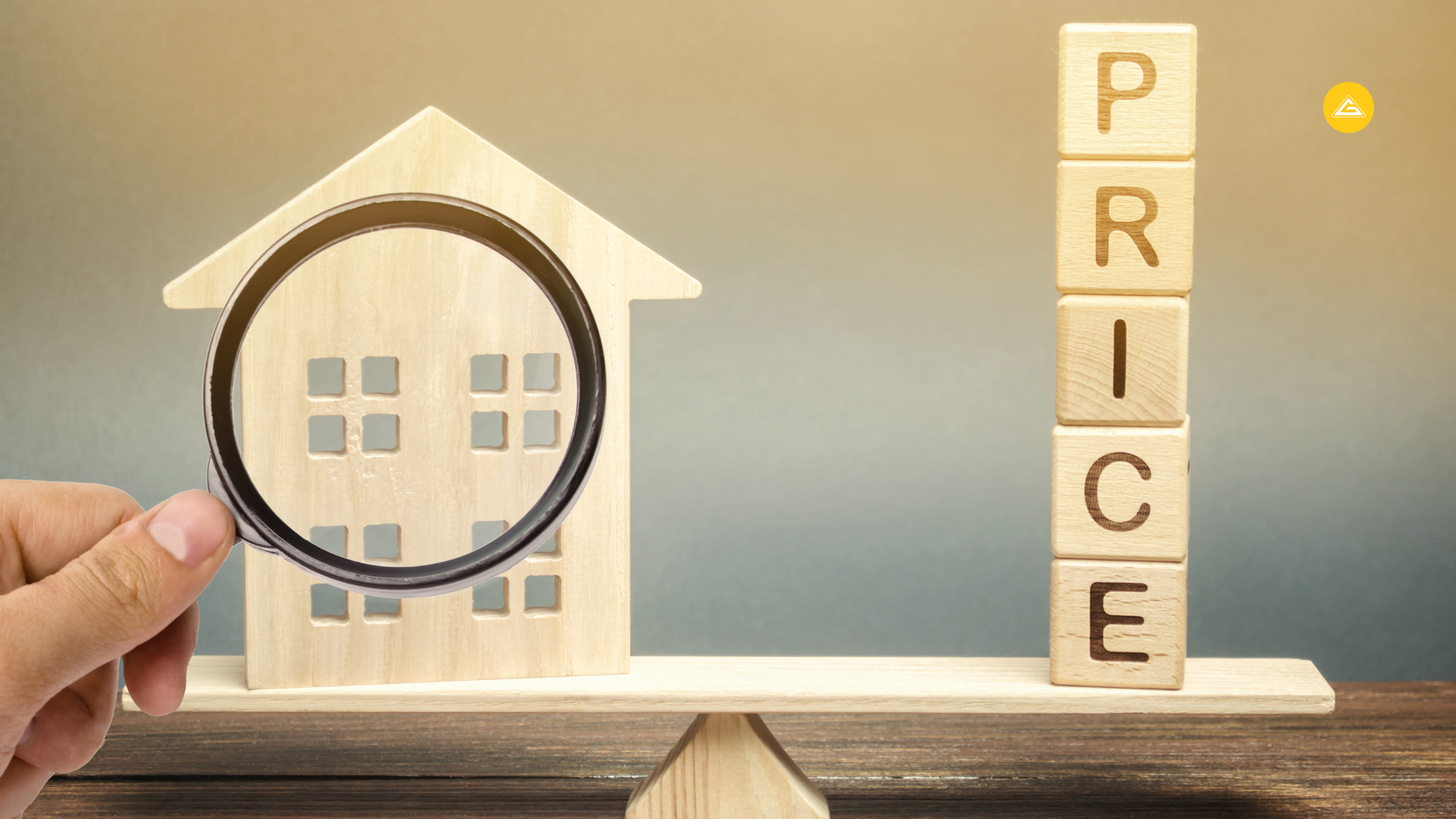
Price is not math – it's perception
In real life estate , one of the biggest mysteries for the owner is this:
how is it possible for two almost identical properties , in the same area, with similar square footage and condition,
to be sold with a huge price difference ?
In 2026, the answer lies not only in:
- in square meters
- the age of the building
- or in sight
It lies in the psychology of honor .
Why in modern reality estate , price doesn't just reflect value.
It creates value.
Why price is not “objective”
Many owners believe that the price of a property is:
- result of numbers
- ad comparison
- or “market value”
In practice, however, the price is a message .
He tells the buyer:
- What kind of property is he looking at?
- how serious the seller is
- if there is a negotiation
- and whether it's worth investing emotional time
The wrong price drives away the right buyers before they even see the property.
How does the 2026 buyer think about price?
The buyer of 2026:
- has seen dozens of ads
- knows price range
- recognizes exaggerations
- and avoids traps
It doesn't just analyze the property.
It analyzes the intent behind the price .
A price may appear to him:
- realistic
- suspicious
- or deterrent
And this first impression is decisive .
Biggest mistake: “I’ll add something more and see”
This phrase costs tens of thousands of euros every year.
When a property enters the market at the wrong price:
- loses its initial momentum
- burns the most serious buyers
- accumulates exposure time
- and finally gets stigmatized
In 2026, time in the market is information .
And the market is reading.
Why a high price often reduces the final value
It sounds paradoxical, but it's true.
A property that:
- starts overpriced
- accepts reductions
- and remains available for a long time
usually sold:
- lower
- with greater pressure
- and on more unfavorable terms
The psychology of price says something simple:
first impressions are hard to fix .
The power of correct pricing
The correct price:
- is not the lowest
- is not the highest
- is the most convincing
When the price:
- "fits" with market perception
- creates a sense of opportunity
- and it is interesting
then:
- demand is increasing
- conditions are improving
- and the final result is uploaded
Price becomes a strategic tool , not an obstacle.
Why two identical houses sell for 30% more
The difference is not at home.
It is in four crucial points:
First impression
Price determines whether the buyer:
- will stand
- or will it pass by
Presentation method
The same price can:
- seems reasonable
- or excessive
depending on how the property is presented.
Timing
When a property comes on the market affects:
- the perception
- the competition
- and the pressure
Negotiating position
A property correctly priced:
- negotiates from a position of strength
- no defense
Price as a buyer filter
The price acts as a filter.
- Wrong price → wrong audience
- Right price → right buyers
When the price is correct:
- unnecessary visits are reduced
- serious proposals are increasing
- and the process becomes clear
The quality of stakeholders is rising.
Why pricing is more critical than ever in 2026
The market has matured.
Buyers are more calm. The data is accessible .
In 2026:
- there is no room for "testing"
- there is no tolerance for overpricing
- and ignorance is not forgiven
Price is a strategic decision , not a personal opinion.
Golden 's role Home to the right pricing
Golden Home doesn't treat price as a number.
It sees it as part of a narrative and strategy .
This means:
- market analysis
- understanding the audience
- right timing
- and guidance without embellishment
The goal is not to make the price “sound good.”
The goal is to make it work .
Price doesn't just show value – it creates it
In real life estate of 2026:
- the price does not follow the market
- shapes it
Two identical houses don't sell for 30% less by chance.
The difference lies in:
- in strategy
- in psychology
- and with proper guidance
The right price doesn't diminish value.
It highlights it.